
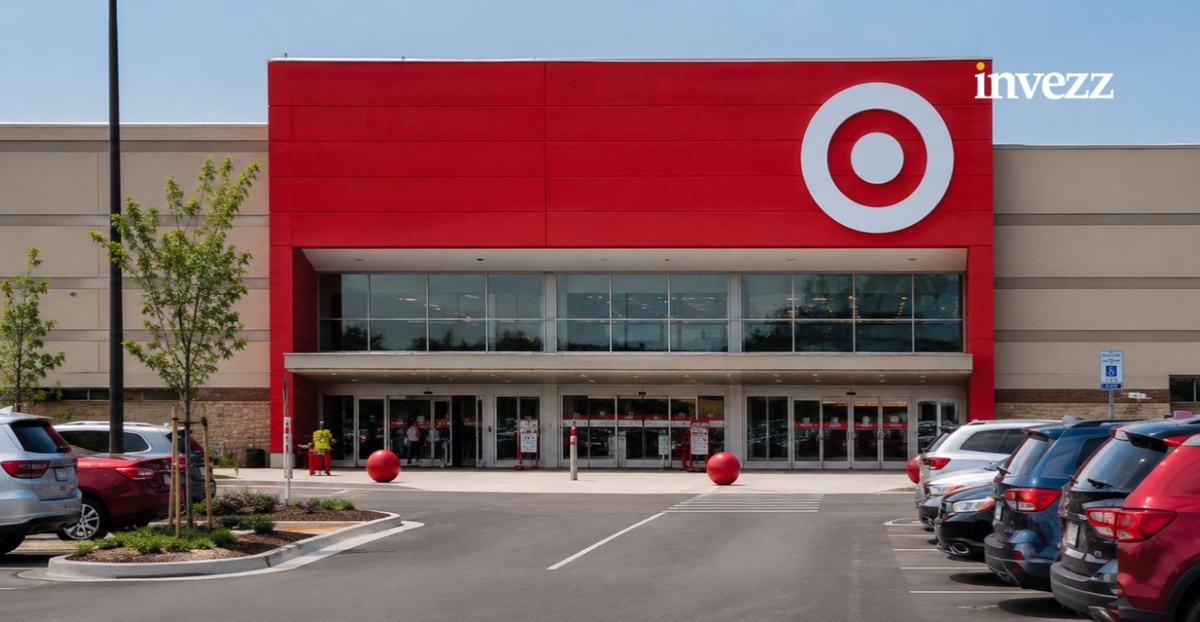
Target (TGT) cut prices on nearly 2,000 additional items in its fiscal Q3; it also persuaded shoppers to check out more often.
The retailer posted a 7.1% year-on-year increase in revenue to $27.1 billion and adjusted earnings of $2.56 per share, including 50 cents from tariff refunds.
The refunds made for a bigger earnings beat, but the sales figures tell investors more about whether the turnaround can last.
Target is ringing up more purchases in stores and online, and it kept more of each sales dollar even before counting the refunds.
At the time of writing, Target stock is up nearly 60% versus the start of this year.
What drove strength in Target’s fiscal Q3?
Target’s comparable sales rose 5.6%, with transactions up 5% and the average purchase up just 0.6%.
That mix matters for a retailer trying to win back shopping trips.
Target’s Fun 101 assortment, which includes toys, gaming gear and trading cards, posted nearly 27% sales growth.
Beauty rose more than 9%, while food and beverage sales climbed nearly 7%.
A collectible can give someone a reason to visit today. Groceries and beauty staples can give them a reason to return next week.
Apparel sales, meanwhile, fell 3.8%, a reminder that Target still has work to do in a category that can help turn an errand into a bigger purchase.
Note that TGT shares also currently pay a solid dividend yield of 2.91%.
Profitability wasn’t tariff-refund dependent
Taking out the refund leaves Q3 earnings of $2.15 a share, about 21% above last year’s adjusted $1.78.
Gross margin would still have risen roughly 1.2 percentage points.
Target pointed to a comparison with heavier markdowns and higher tariff rates a year earlier, as well as productivity gains at its supply chain facilities.
Non-merchandise sales also rose 19.3%, helped by advertising, paid memberships and the Target Plus marketplace.
That gives Target more ways to earn money from the shoppers it’s bringing back.
The holiday test is whether those gains can keep offsetting pressure from freight costs and price cuts, especially when the retailer has to clear seasonal inventory.
How to play Target stock after Q3 earnings?
Target raised its full-year sales growth forecast from about 5% to 6% and lifted its earnings outlook to $10.65–$11.40 a share.
That range includes roughly $2.14 in tariff refunds recognized so far.
Subtract those and the midpoint comes to about $8.89.
At Tuesday’s close, Target shares traded at roughly 18x that figure after gaining about 63% this year.
Investors now have a higher bar for the holiday quarter.
Target says November sales through the report date had accelerated from October.
The more telling result will be whether shoppers keep coming after the holiday deals end, with fewer markdowns and more of them putting clothes and home goods in their carts.
AI disclosure: AI tools assisted with research and drafting of this piece. An Invezz editor reviewed the facts, sources and wording before publication. Any opinions or analysis are Invezz’s, not those of an automated system.
The post Target earnings: retailer's comeback is showing up at checkout appeared first on Invezz
