
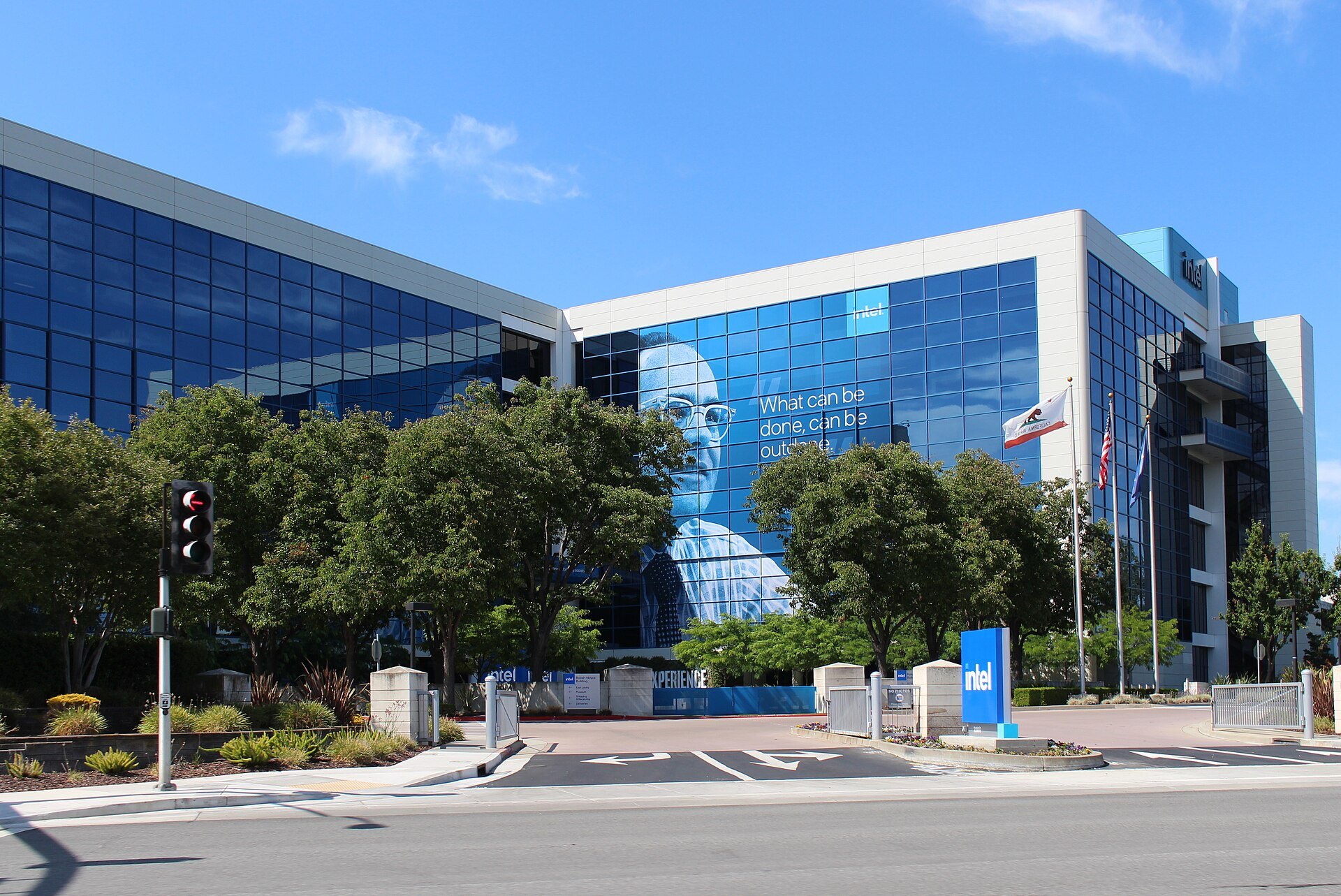
Intel stock traded at $56.75 before the bell at 11:58 GMT on Monday, down 4.88% from Friday’s close, according to TradingView. A Michigan pension fund sued Intel on 13 November in federal court in San Jose over the 28.6% fall on 30 October, alleging the company hid how weak PC demand and excess inventory would hit revenue.
The proposed class covers investors who bought Intel stock between 23 July and 29 October 2026, and motions to lead the case are due by 12 January 2027. Every claim in the complaint is an allegation that no court has tested, and no Intel response appeared in the reports reviewed for this piece.
Southfield’s Pension Fund Names Lip-Bu Tan and David Zinsner
Robbins Geller Rudman & Dowd, the firm representing the fund, lists the case as number 26-cv-13758 in the Northern District of California. It charges Intel and senior executives under the Securities Exchange Act of 1934, and TipRanks reports that CEO Lip-Bu Tan and CFO David Zinsner are named.
The complaint alleges Intel failed to disclose that the PC slowdown would hurt its client computing business more than investors were told, and that PC makers and distributors were holding excess inventory, per Robbins Geller. It also alleges substrate shortages limited Intel’s ability to meet demand for data center CPUs.
The Class Period Brackets Intel’s $95 Share Sale
Intel priced an upsized $20 billion share sale on 10 August, selling 210,526,315 shares at $95 each, with underwriters holding an option on 31,578,947 more. Exercised in full, that comes to about 242 million shares and $23 billion, the figure TipRanks attributes to the complaint. The fund argues Intel had motive to hold back bad news while it raised capital.
At Friday’s $59.66 close, Intel stock sat 37.2% below the offering price. Buyers in the deal paid $95 for Intel stock that lost $26.31 a share on 30 October alone.
Intel stock traded above the $95 offering price for most of September before ending the class period at $92.07 and falling to $59.66 by 13 November, 37.2% below what buyers in the August deal paid. Source: EODHD, Intel · Chart: FinanceFeedsIntel’s $15 Billion to $16 Billion Guide Erased $139.8 Billion in a Day
Intel reported third-quarter revenue of $16.5 billion, up 21%, in its 29 October release, in line with the $16.50 billion consensus before the report. Client computing revenue fell 5% from a year earlier to $8.1 billion. The company guided fourth-quarter revenue to $15 billion to $16 billion, about $1.5 billion below consensus, according to Robbins Geller.
“We see the PC slowdown continuing at least through the first half of next year,” Zinsner said in the release. Intel’s own inventories rose to $13.1 billion at quarter-end from $11.6 billion at the end of 2025.
Intel stock fell from $92.07 to $65.76 on 30 October on 455.6 million shares, EODHD data show. Across 5.315 billion shares, that wiped out about $139.8 billion of market value. The stock briefly fell more than 30% intraday, then lost another 8.8% on 2 November.
Investor Takeaway
The complaint ties its motive claim to the $95 share sale, while the $26.31-a-share fall on 30 October is the drop the class period is built around.
Intel Stock Buyers Have Until 12 January to Seek the Lead Role
Under the Private Securities Litigation Reform Act, plaintiffs must publish notice within 20 days of filing, other class members then have 60 days to ask to lead the case, and the court must appoint a lead plaintiff within 90 days of the notice. The statute says courts should favor the movant with “the largest financial interest in the relief sought by the class.”
Robbins Geller set the deadline for lead-plaintiff motions at 12 January 2027. Law firms began publishing investor notices on 14 and 15 November.
Intel stock is down 36.18% over one month but still up 57.96% this year, so many holders bought well below the class-period prices that the lawsuit covers. Source: TradingViewThe lawsuit lands as Intel stock trades with a weak chip sector, with the Nasdaq 8.1% below its 6 October peak close on 12 November. Intel’s next earnings report is expected around 28 January, after the lead-plaintiff deadline.
Investor Takeaway
Intel stock holders who bought between 23 July and 29 October have until 12 January 2027 to seek the lead-plaintiff role, and the court then has 90 days from notice to appoint one.
