
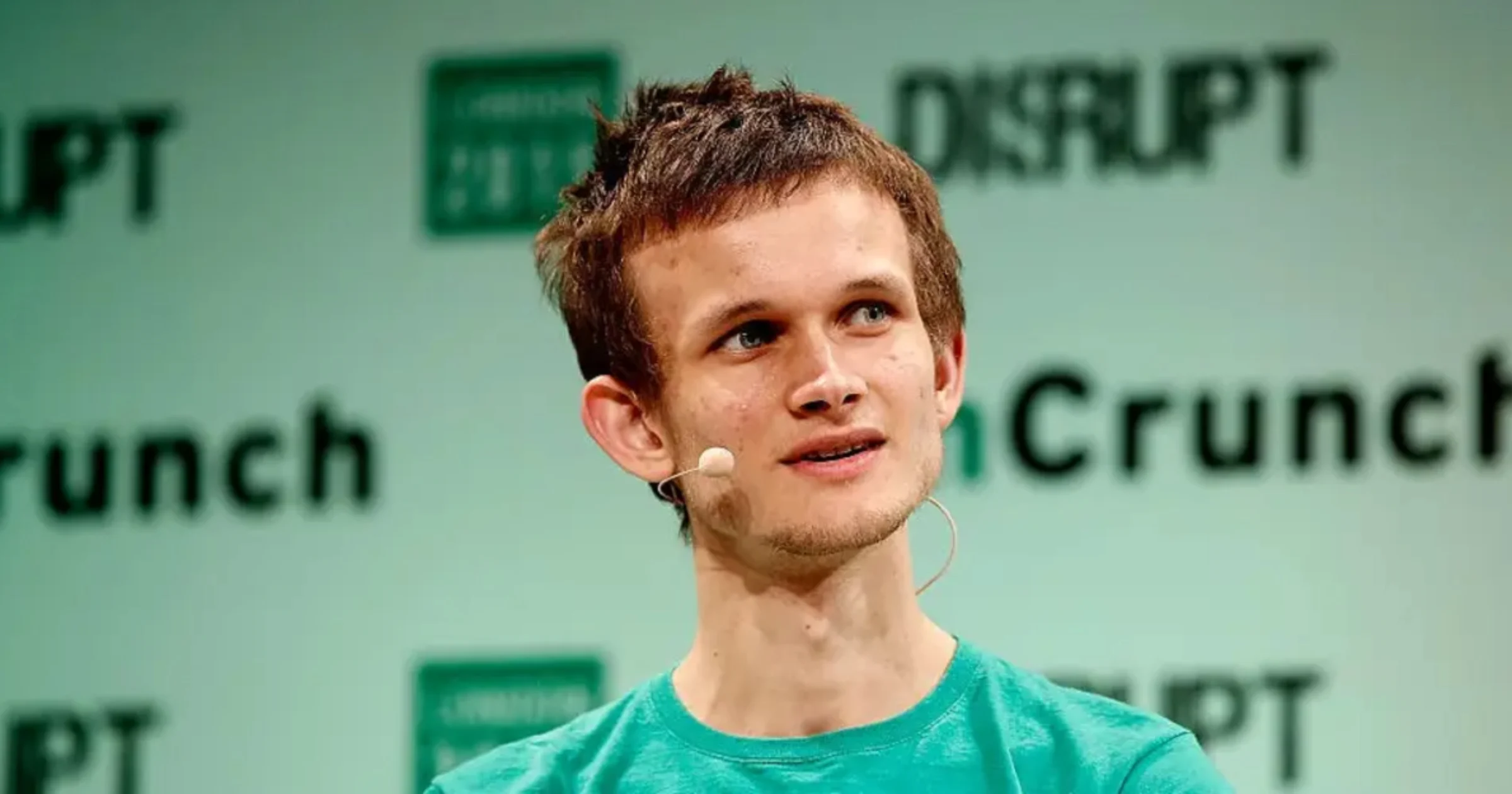
Ethereum co-founder Vitalik Buterin has officially signaled a strategic shift for the network, identifying Zero-Knowledge (ZK) Payments as the essential next standard for the global digital economy. In a research post published on May 10, 2026, Buterin argued that for crypto-payments to achieve mass adoption, they must move beyond “pseudonymity” toward “default privacy,” particularly in the burgeoning “agentic era.” He proposed a transition where standard transfers are replaced by ZK-proof-based transactions, allowing users to prove a payment’s validity without revealing their entire balance or transaction history. This signal highlights a growing consensus that the public nature of blockchains is the primary psychological and operational barrier preventing crypto from replacing traditional fiat-based payment applications for everyday retail use. By advocating for ZK-payments, Buterin is setting the stage for Ethereum to become a truly private and secure global financial layer.
Solving the Privacy Paradox for AI Agents and Users
The primary hurdle for crypto-payments has always been the “glass house” nature of the blockchain, where a single transaction can expose a user’s entire financial history. Vitalik’s vision specifically addresses the needs of autonomous AI agents, which require a way to pay for services—such as LLM API credits—without leaving a traceable breadcrumb trail back to their human owners. By utilizing “recursive SNARKs” and what he terms “ZK API Usage Credits,” Ethereum’s Layer 2 solutions can process private payments at the same speed and cost as transparent ones. This allows agents and humans alike to operate with financial confidentiality while maintaining the decentralization of a public ledger. By making privacy “invisible” and seamless, Ethereum aims to compete directly with legacy processors like Visa, offering a level of confidentiality that current digital banking lacks. This technical evolution ensures that user data is protected by default, reducing the risk of targeted cyberattacks or unwanted surveillance by third-party entities. A critical aspect of Vitalik’s proposal is the inclusion of “selective disclosure” and “proof of innocence” mechanisms within the ZK-payment standard. This addresses the long-standing tension between privacy technology and global Anti-Money Laundering (AML) regulations. Under this standard, users can provide specific “compliance proofs” to authorized entities or tax authorities without leaking their data to the general public.
The Path Toward Mass Adoption of Private Finance
The shift toward ZK-payments represents the final piece of the puzzle for the mainstream adoption of decentralized finance. As these privacy standards become the default on Ethereum’s major Layer 2 networks, the user experience will shift from managing public addresses to participating in a secure, confidential economy. This transformation is expected to attract a new wave of corporate and institutional users who have previously avoided blockchains due to privacy concerns. The ability to conduct transactions with the same level of confidentiality as traditional banking, but with the added benefits of instant settlement and low fees, makes Ethereum a formidable competitor to existing financial rails. Furthermore, the integration of ZK-payments into mobile wallets and e-commerce platforms will allow everyday consumers to benefit from blockchain technology without needing to understand the underlying cryptography. As the ecosystem converges on these new ZK-standards, Ethereum is poised to become the primary settlement layer for a private, secure, and globally accessible financial system that empowers individuals and protects their financial sovereignty.
