
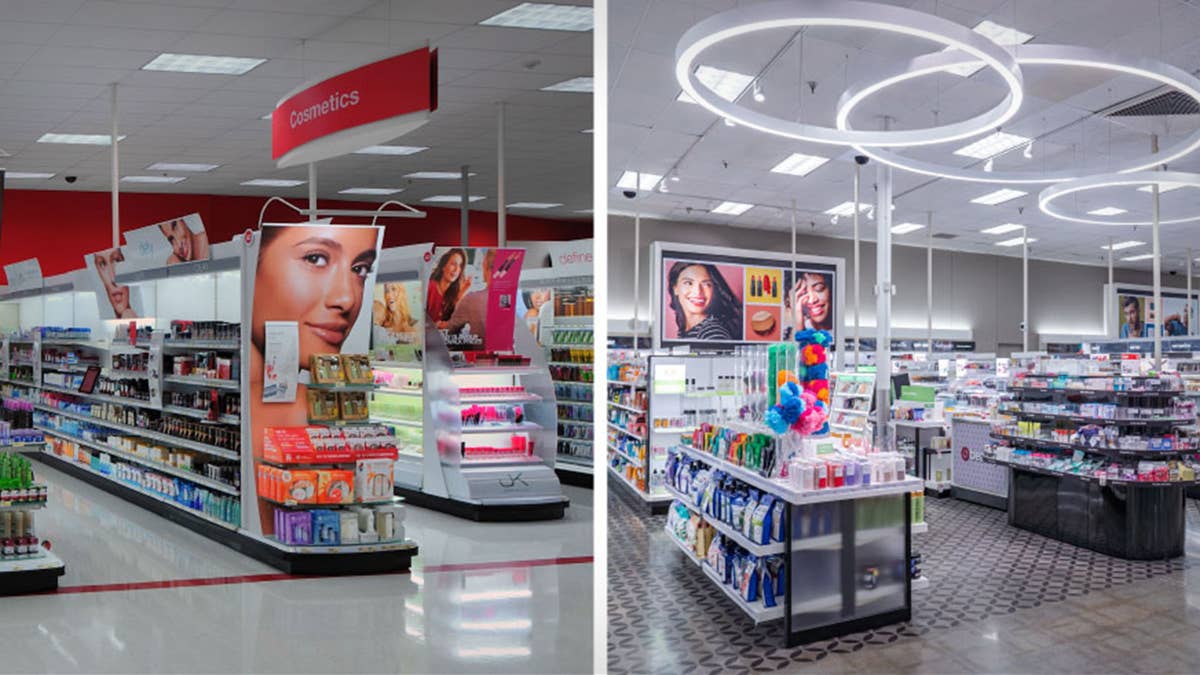
Target used to be known as a place to get fun, unique products at reasonable prices.
But shoppers went to Target more so for the selection than the savings.
Target has long trailed behind competitors like Walmart and Costco on price, and for a long time, that wasn’t an issue. That’s because Target’s inventive products were so much of a draw that customers were willing to bust their budgets a bit to load up a full cart.
These days, shoppers are being more cautious with their money. With inflation up 3.7% on an annual basis, according to the most recent Consumer Price Index, the old joke about walking into Target for milk and leaving with a $100 shopping cart isn’t as funny.
But it’s not just an affordability issue. Target has fallen out of favor with customers due to issues like disorganized stores, empty shelves, and employees who don’t seem happy to be there.
Now, Target is taking steps to make its products more affordable. But that’s not necessarily the right approach toward winning customers back.
Target moves forward with price cuts
Target recently announced that it’s lowering prices on nearly 2,000 home, apparel, and accessories products ahead of the holiday shopping season.
The move builds on more than 10,000 price reductions Target says it has made over the past year.
“Guests are looking for great products at an incredible value, and that’s an important part of what we aim to deliver every day,” said Cara Sylvester, executive vice president and chief merchandising officer, Target.
“By continuing to lower prices across our assortment, we’re making it even easier for busy families to create moments of joy this fall with the style, design and exceptional value they can only find at Target.”
The discounts could of course help price-conscious families, particularly as they prepare for the holidays. But Target’s challenges extend beyond the price tags on its shelves.
Target
Target needs more than cheaper merchandise
Target needs to rebuild its reputation for differentiated merchandise, improve inventory availability, and give customers compelling reasons to choose its stores over competitors.
The good news is that the company has spent months trying to sharpen its identity around style, design, and value. And during the company’s most recent earnings call, CEO Michael Fiddelke said Target was encouraged by customer responses to its merchandising changes.
But Sylvester was candid about two important categories.
“If I turn to home and apparel, just to be clear, we are not satisfied with the performance in either of those businesses, and there’s more work ahead in 2027 and beyond,” she said during the earnings call.
That admission highlights why price cuts alone may not be enough.
Customers need to see merchandise they actually want to buy, whether that means refreshed home decor, fashionable clothing, exclusive collaborations, or products that reflect current trends.
And customers tend to respond when Target combines attractive products, a distinctive shopping experience, and competitive prices.
Lower prices can make those offerings more appealing, but discounts cannot substitute for merchandise that feels fresh or an assortment that gives shoppers a reason to visit.
Target must rebuild trust with shoppers
Target’s second-quarter results showed progress, with comparable sales increasing 3.8% and traffic rising 3.6%. However, management acknowledged that more work needs to be done in terms of merchandising and store management.
Inventory reliability, for example, needs to be part of the turnaround.
Customers who visit a store expecting to find a particular product may not return if it’s repeatedly unavailable or the shopping experience feels inconsistent.
Target said its inventory reliability metrics reached multiyear highs during the quarter. Maintaining those gains across its stores and merchandise categories will be critical.
Target also needs to restore a clear sense of what makes it different. Its strongest opportunities may lie in combining exclusive brands, trend-focused merchandise, and affordable design with the convenience customers expect from a major retailer.
That means making disciplined assortment decisions, refreshing underperforming departments, and ensuring that stores consistently deliver on their promises.
Price reductions do remain a useful tool, especially for families managing tight budgets.
But Walmart, Costco, and other retailers can also compete on price, making it difficult for Target to build lasting customer loyalty through discounts alone.
More Retail:
- Costco sees major shift in member behavior
- Retail chain shuts all locations as legal changes hit industry
- Costco makes major investment in online shopping for members
Ultimately, Target needs shoppers to believe that its stores offer something worth coming back for.
Better prices can help bring customers through the doors. But fresh merchandise, reliable availability, and a distinctive shopping experience will determine whether they return.
Maurie Backman owns shares of Target.
Related: Costco is getting a new kind of member
