
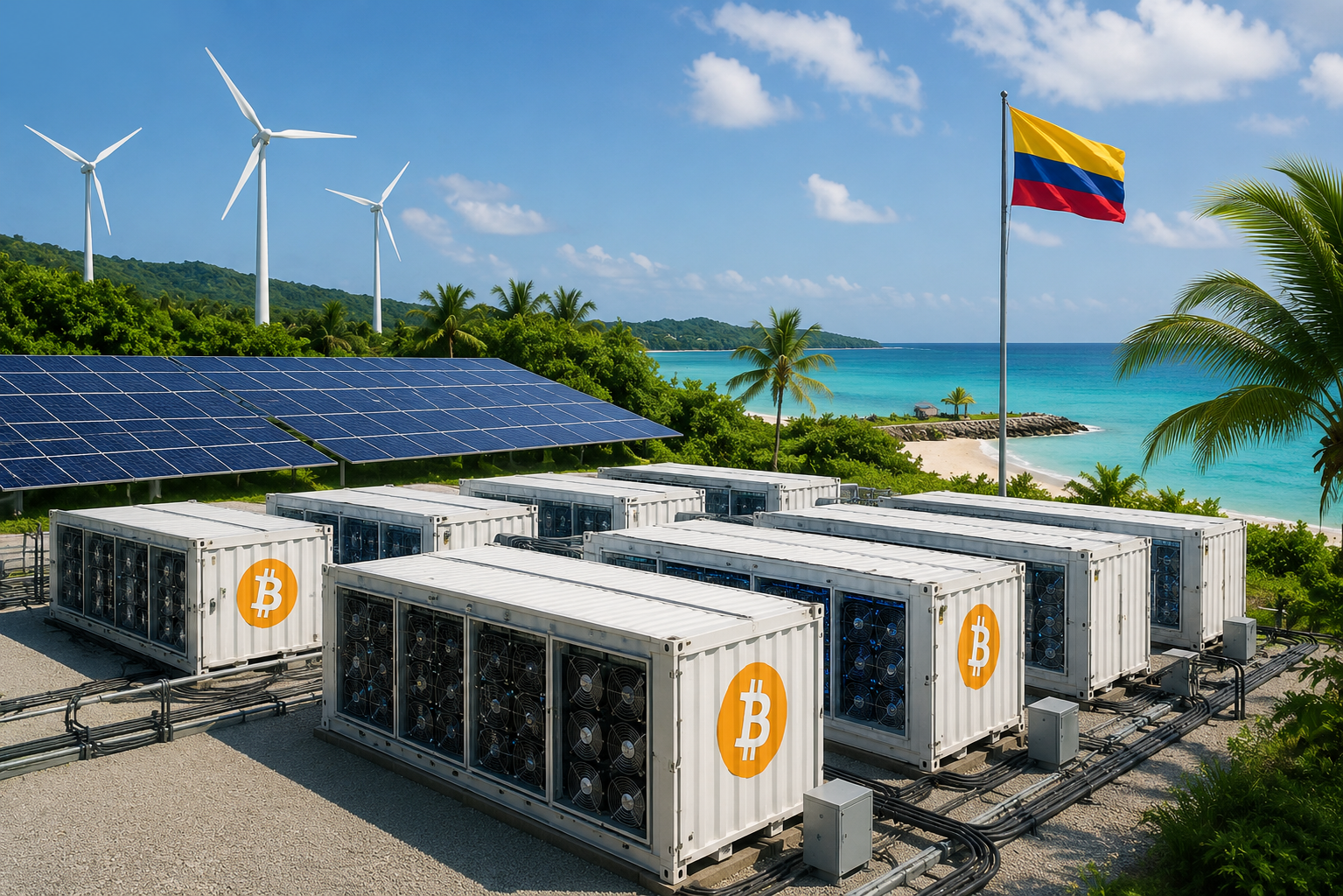
Hydropower has officially overtaken natural gas as the single largest energy source powering the global Bitcoin mining network, according to updated research from the Cambridge Centre for Alternative Finance. The data reveals that low-carbon energy sources now account for 59.4% of Bitcoin’s total electricity mix, up from 52.4% in previous reporting periods. This milestone marks a significant structural transition for the proof-of-work mining industry, which has historically faced intense criticism from environmental advocacy groups, central banks, and regulatory bodies over its reliance on fossil fuels. The expansion of hydroelectric capacity—driven in part by mining operators expanding into water-rich regions like East Africa—has allowed the network to accelerate its shift toward renewable energy even as overall network difficulty and total power consumption continue to rise.
Surging Power Consumption vs. Decoupled Carbon Emissions
While the proportion of clean energy utilized by the Bitcoin network has expanded significantly, overall power demand from mining infrastructure has simultaneously reached historic levels. Annualized electricity demand for the Bitcoin network climbed to approximately 190 terawatt-hours (TWh), representing a 38% increase over an 18-month monitoring window. However, because a larger share of the underlying hashrate is supported by hydroelectric and other low-carbon installations, total greenhouse gas emissions grew by only 20% over the same timeframe, reaching an estimated 48 million tonnes of CO₂ equivalent. This divergence highlights how improvements in energy-mix efficiency can mitigate environmental impact, even as total computational activity scales up globally.
Institutional and Operational Implications for the Mining Industry
The growing dominance of hydropower carries major strategic implications for institutional investors, public mining corporations, and international regulators. A demonstrably cleaner energy profile directly weakens persistent ESG-related objections, potentially unlocking greater capital deployment from institutional funds that were previously restricted by strict sustainability mandates. Operationally, hydroelectric power contracts offer greater long-term price predictability compared to natural gas, which remains subject to global geopolitical volatility and seasonal market fluctuations. Additionally, as large-scale miners stabilize their energy costs through hydro partnerships, many are simultaneously leveraging their power capacity to diversify into artificial intelligence and high-performance computing (HPC) workloads. This operational flexibility allows data center operators to optimize revenue streams while reinforcing the broader transition toward sustainable computing infrastructure.
