
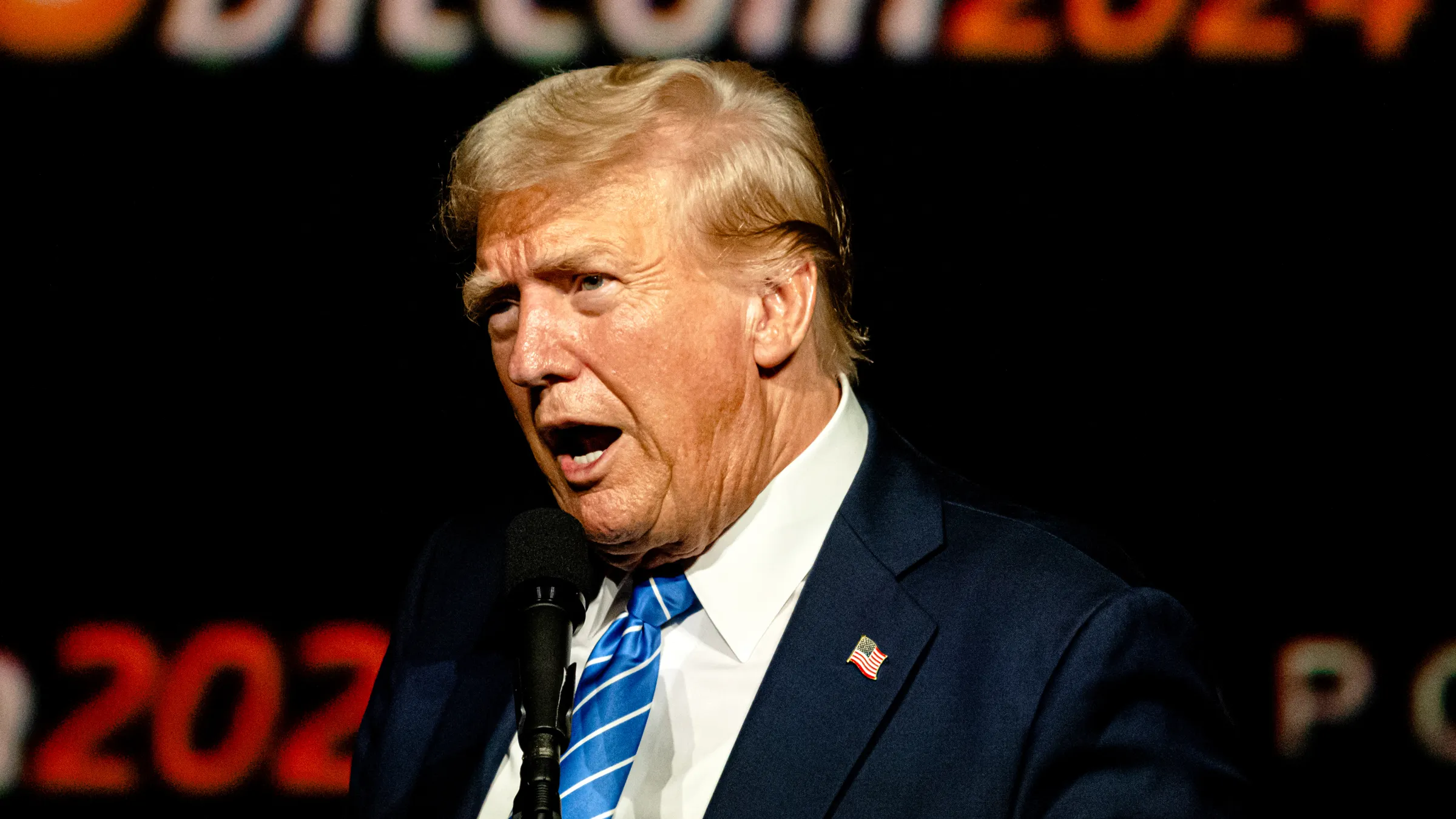
During a high-stakes cabinet meeting on Thursday, January 29, 2026, President Donald Trump officially informed the nation that he intends to reveal his nominee for the next Chairperson of the Federal Reserve sometime “next week.” This announcement comes as the term of the current Chair, Jerome Powell, nears its expiration in May 2026 and follows months of intensifying public criticism from the White House regarding the central bank’s monetary policy. President Trump reiterated his long-standing grievance that interest rates remain “unacceptably high,” arguing that they should be two or even three percentage points lower to better support his administration’s economic agenda. The President emphasized that his chosen candidate will be someone capable of doing a “good job” in steering the economy toward lower borrowing costs, signaling a definitive shift away from the cautious, data-dependent approach that has characterized the Powell era.
Contenders and the Search for a More Forceful Monetary Policy Leader
The search for a successor has reportedly narrowed down to a shortlist of high-profile economists and financial veterans who are seen as more aligned with the President’s vision for aggressive rate cuts. Key names currently circulating within the West Wing include National Economic Council Director Kevin Hassett, who is widely viewed as a frontrunner due to his close proximity to the President and his vocal defense of supply-side economic gains. Other potential nominees mentioned by Treasury Secretary Scott Bessent include former Fed Governor Kevin Warsh, current Fed Governor Christopher Waller, and BlackRock executive Rick Rieder. Prediction markets like Polymarket have seen significant fluctuations in the odds for these candidates, with Warsh recently gaining momentum as a perceived “independent but flexible” option. Regardless of the final choice, the President’s focus remains on finding a leader who will prioritize rapid devaluation of borrowing costs to stimulate industrial growth and domestic investment.
Implications for Market Stability and Central Bank Independence in 2026
The upcoming nomination marks a pivotal moment for the future of the Federal Reserve’s institutional independence, as the President continues to challenge the tradition of a central bank insulated from political pressure. By publicly labeling Chair Powell’s recent decision to pause rate cuts as “politically biased” and calling for a successor who will move “more forcefully,” the administration is setting the stage for a potentially contentious confirmation process in the Senate. Investors are closely monitoring the announcement, as the transition to a new Chair could lead to increased volatility in the bond and currency markets if the nominee is perceived as being overly beholden to executive branch directives. As the White House prepares for next week’s reveal, the primary question for global fiduciaries is whether the next Fed leader can successfully balance the President’s demand for ultra-low rates with the ongoing necessity of maintaining long-term price stability. The choice will likely define the trajectory of the American economy for the remainder of the decade, making it the most significant financial appointment of the 47th presidency.
