
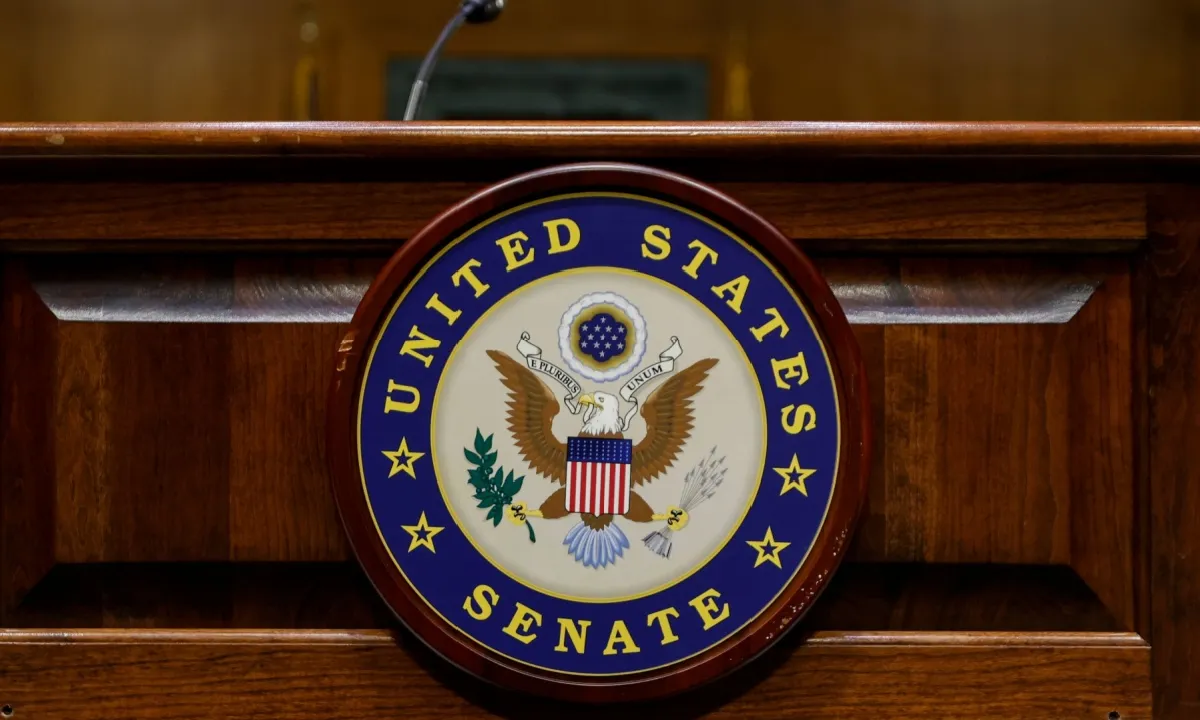
The quest for a definitive U.S. crypto regulatory framework reached a historic milestone on January 29, 2026, as the Senate Committee on Agriculture, Nutrition, and Forestry successfully marked up and passed the Digital Commodity Intermediaries Act (DCIA). Under the leadership of Chairman John Boozman, the committee voted to advance the 161-page bill, which provides the Commodity Futures Trading Commission (CFTC) with broad new authority to oversee the digital asset spot markets. This legislative breakthrough follows months of intense bipartisan negotiations and several delays caused by severe winter storms and late-stage disagreements over stablecoin policy. By officially classifying a wide range of digital assets—including Bitcoin, Ethereum, and notably, mass-minted memecoins—as “digital commodities,” the bill aims to resolve the long-standing jurisdictional dispute between the CFTC and the Securities and Exchange Commission (SEC), providing the clarity that institutional investors have demanded for years.
Protecting Main Street Through Mandatory Disclosures and Fund Segregation
A central pillar of the newly passed DCIA is its robust framework for consumer protection, designed to prevent a recurrence of the systemic failures seen in previous market cycles. The legislation mandates that all registered digital commodity intermediaries implement strict customer fund segregation requirements and maintain transparent conflict-of-interest safeguards. Furthermore, the bill introduces a formalized registration regime that requires exchanges to provide appropriate disclosures to retail participants regarding the material risks and technical characteristics of the assets they trade. Chairman Boozman emphasized that these “enforceable guardrails” are essential for “onshoring” liquid and resilient markets, ensuring that American innovation occurs under the watchful eye of federal regulators rather than in opaque offshore jurisdictions. By incorporating provisions from the House-passed CLARITY Act, the Senate version also secures a dedicated funding stream for the CFTC to stand up its new spot market regulatory regime, ensuring the agency has the resources necessary to police fraud and manipulation effectively.
Navigating the Path to the President’s Desk Amidst Senate Banking Deadlock
While the Agriculture Committee’s success is a “key milestone,” the bill still faces a complex path before it can be signed into law by President Trump. To reach a full Senate vote, the DCIA must eventually be reconciled with a parallel market structure proposal from the Senate Banking Committee, which has recently postponed its own markup to focus on the administration’s affordable housing agenda. Chairman French Hill and other House leaders have praised the Agriculture Committee’s move as a “critical step” in pushing forward the President’s digital asset agenda, but they noted that significant work remains to meld the various legislative packages into a final, bicameral agreement. The White House has signaled continued confidence that a final bill will be delivered by the end of the first quarter, with “Crypto Czar” David Sacks urging industry participants to remain focused on the broader objective of achieving a unified regulatory environment. As the legislative momentum builds, the focus now shifts to the Senate Banking Committee, where the final details of stablecoin yield and AML compliance will likely determine the ultimate fate of the most significant crypto reform effort in history.
