
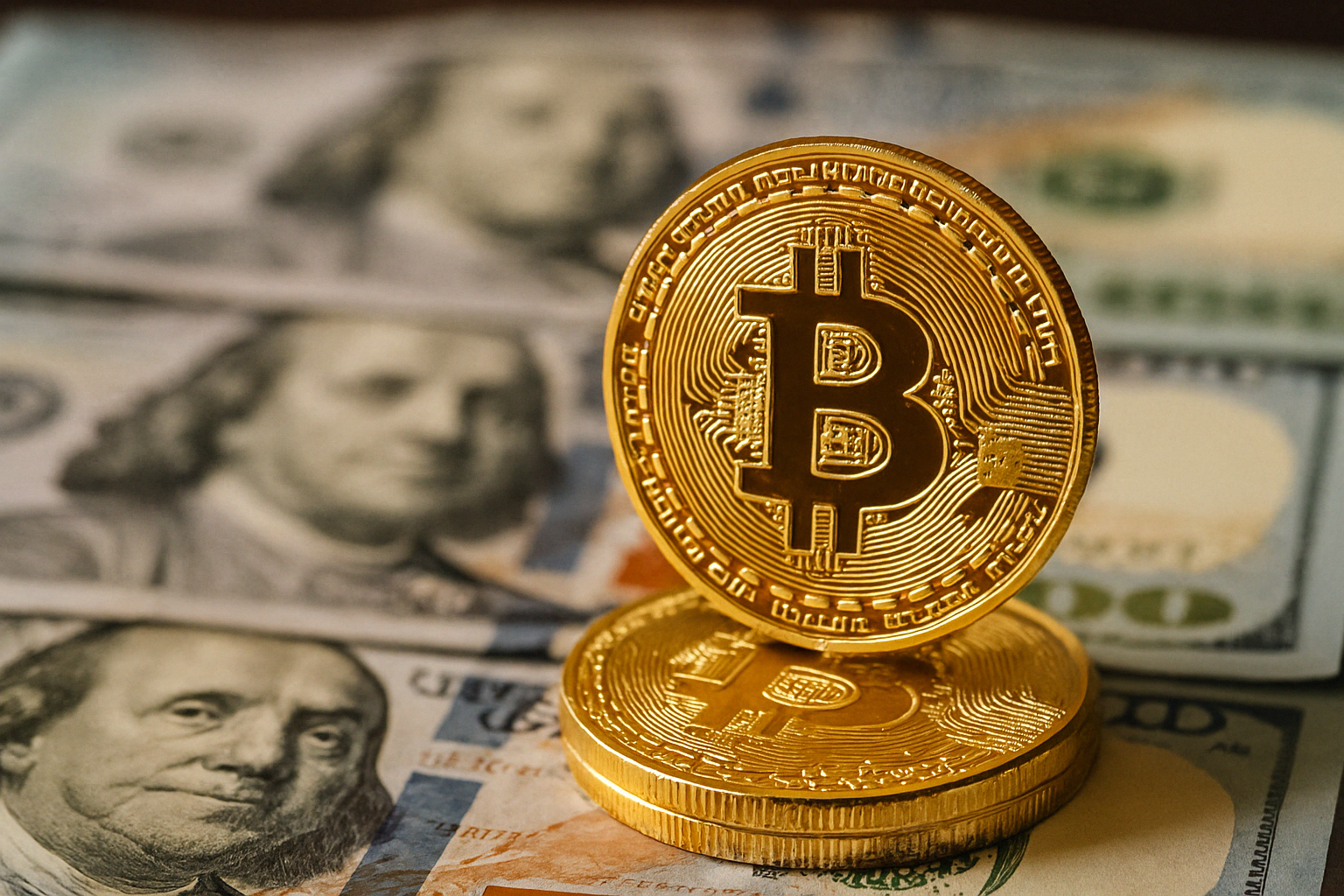
On March 23, 2026, Bitcoin (BTC) staged a significant recovery, rebounding above the 71,000 dollar mark after a period of intense volatility that saw the asset briefly dip below 69,000 dollars. This resurgence was directly correlated with a sharp “de-escalation” in global energy markets, where crude oil prices experienced a dramatic 10% daily plunge. Brent crude, which had surged to 119 dollars per barrel following recent attacks on energy facilities in the Persian Gulf, fell back toward the 98 dollar level as the U.S. Treasury Department announced a series of aggressive measures to stabilize the global fuel supply. Treasury Secretary Scott Bessent confirmed that the United States is authorizing the largest-ever release from the Strategic Petroleum Reserve and is considering targeted sanctions exemptions for Iranian oil tankers currently at sea. The resulting “cooling” of energy-driven inflation fears provided the necessary breathing room for risk assets, allowing Bitcoin to reclaim its bullish momentum as investors moved back into high-beta positions.
Breaking the Energy-Inflation Link and Easing Central Bank Pressure
The primary driver behind Bitcoin’s weekend slump was the fear that sustained “triple-digit” oil prices would force global central banks, particularly the Federal Reserve, to maintain interest rates at restrictive levels throughout 2026. High energy costs serve as a “stealth tax” on the global economy, reducing the discretionary liquidity that often flows into the digital asset market. However, as oil prices settled into the 90 dollar range on March 23, market participants adjusted their expectations for the “inflationary peak,” leading to a softening of Treasury yields. This “macro relief” is critical for Bitcoin, as lower yields typically increase the attractiveness of non-yielding, scarce digital assets. Carlos Guzman, a senior analyst at GSR Research, noted that Bitcoin is increasingly behaving as a “geopolitical barometer,” where price action is dictated by the push-and-pull between energy shocks and the policy responses of major world powers. For the 2026 market, the ability of the U.S. to mitigate the energy crisis without a major military escalation has provided a “stabilization floor” for the crypto market, encouraging institutional buyers to step back in and defend the 70,000 dollar support zone.
Evaluating Volatility and the “Digital Gold” Narrative in a Conflict Zone
Despite the relief rally, the 2026 market remains characterized by high-velocity liquidations, with over 500 million dollars in crypto positions wiped out during the initial oil spike last Thursday. The quick recovery to 71,000 dollars highlights the resilience of the current Bitcoin buyer base, which has become increasingly “hardened” to the shocks of the ongoing Middle East conflict. Unlike previous cycles where such volatility would lead to prolonged corrections, the presence of massive spot ETFs and corporate buyers like Strategy Inc. has created a “buy the dip” culture that aggressively absorbs supply during macro panics. Analysts are now closely watching the 74,000 dollar resistance level, which has served as a psychological “ceiling” throughout the month of March. If oil prices continue to stabilize and the Strait of Hormuz remains open for trade, the probability of Bitcoin pushing toward new all-time highs of 84,000 dollars remains significantly higher than a return to the 55,000 dollar “bear floor.” For the 2026 participant, the lesson of March 23 is that while Bitcoin remains sensitive to energy shocks, its status as a “liquidity refuge” ensures it is often the first asset to bounce when the macro clouds begin to clear.
