
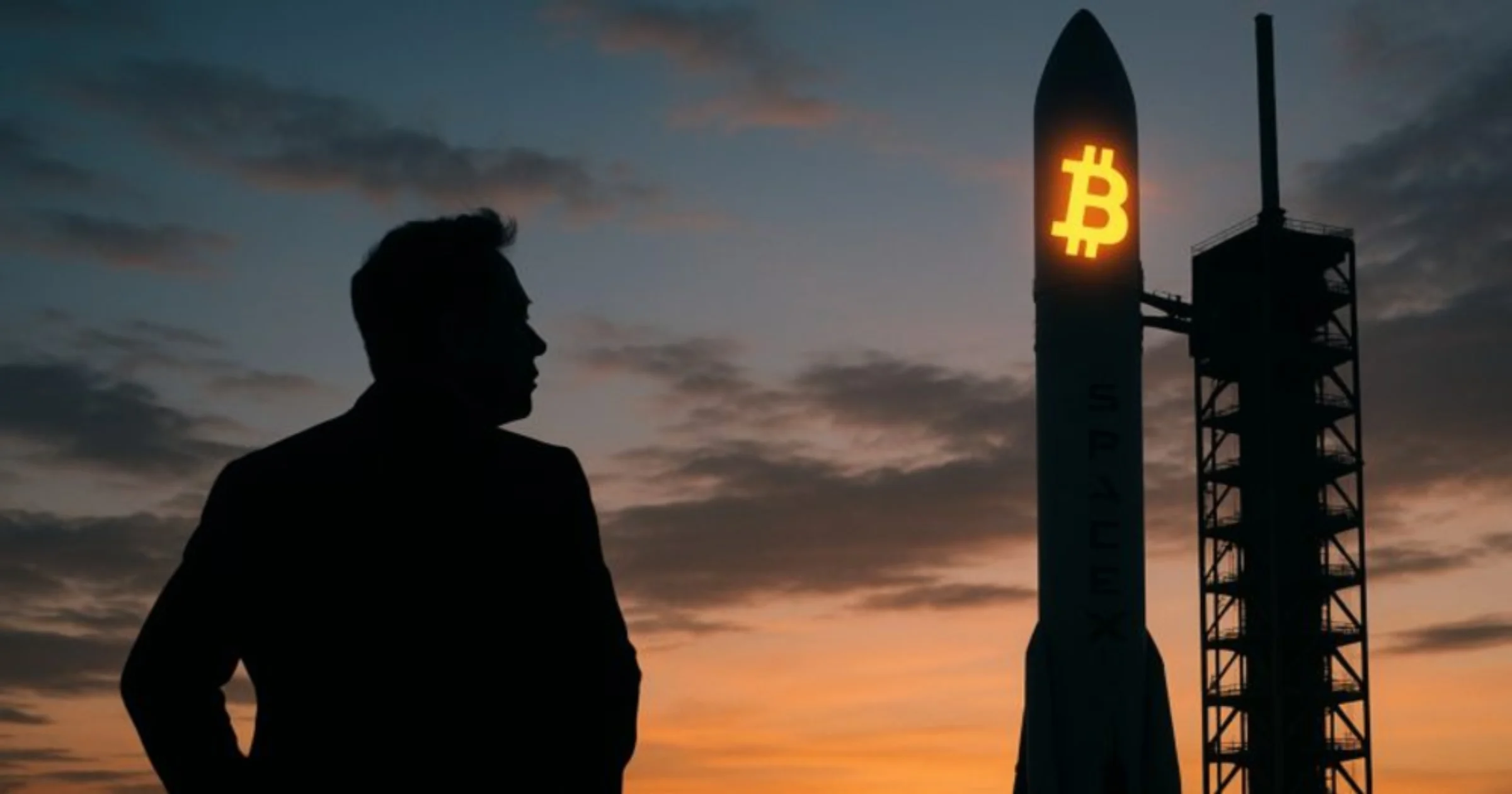
In a move that has sent shockwaves through the global financial and aerospace sectors, reports emerged on January 29, 2026, that Elon Musk is in active discussions to merge SpaceX with his artificial intelligence venture, xAI. This proposed consolidation, first detailed by Reuters, would bring together the world’s most valuable private rocket company with the rapidly scaling developer of the Grok large language model before a blockbuster initial public offering (IPO) slated for later this year. To facilitate the complex transaction, two new business entities were established in Nevada on January 21, with SpaceX Chief Financial Officer Bret Johnsen listed as a managing member. Under the proposed terms, shares of xAI would be exchanged for equity in SpaceX, effectively creating a vertically integrated titan of space-based infrastructure and artificial intelligence. The news has ignited intense speculation among institutional investors, as a combined entity could potentially debut on public markets with a valuation exceeding 1.5 trillion dollars, dwarfing the historic 29 billion dollar record set by Saudi Aramco.
The Strategic Rationale for Space-Based AI and Orbital Data Centers
The primary driver behind this monumental tie-up is Musk’s ambitious vision for a “Dyson Swarm” architecture, where orbital data centers powered by solar energy provide low-latency, high-performance computing for global AI workloads. Speaking recently at the World Economic Forum in Davos, Musk asserted that “the lowest cost place to put AI will be in space,” predicting that space-based infrastructure would become commercially viable within the next two to three years. By merging xAI with SpaceX, Musk aims to leverage the Starlink satellite network and the massive payload capacity of the Starship rocket system to deploy dedicated AI compute clusters in Earth’s orbit. This vertical integration would theoretically allow xAI to bypass the cooling and land-use constraints of terrestrial data centers while providing SpaceX with a high-margin, software-driven revenue stream. Furthermore, the combination strengthens the company’s position in the defense sector, as the Pentagon recently disclosed plans to integrate xAI’s Grok products into its AI acceleration strategy, which already relies heavily on SpaceX’s Starshield unit for secure satellite communications.
Navigating the Mid-June IPO Timeline and Complex Corporate Synergies
As the merger talks progress, the financial community is closely monitoring the reported IPO timeline, which several sources suggest is being targeted for mid-June 2026. This date is said to hold personal and symbolic significance for Musk, coinciding with both his 55th birthday and a rare conjunction of Jupiter and Venus. Despite the “celestial” planning, the path to a public listing remains fraught with practical hurdles, including regulatory scrutiny over “self-dealing” and the inherent complexity of folding xAI—which itself absorbed the social media platform X in 2025—into the SpaceX corporate structure. Financial analysts at Quilty Space note that while the synergies between satellite infrastructure and AI are logical, the merger effectively consolidates Musk’s private empire into a single, high-stakes narrative for public investors. As Tesla also recently disclosed a 2 billion dollar investment in xAI, the lines between Musk’s various enterprises continue to blur. Whether this merger is viewed as a masterstroke of technological integration or a masterpiece of financial engineering, the resulting entity is poised to be the most influential—and valuable—company in the history of the public markets.
